Start with the timeline
A Southern pine, the workhorse of the conventional paper industry, takes twenty to thirty years to reach harvest size. That's a multi-decade bet on a single product that gets used once and discarded.
Bamboo is not a tree. It's a grass, and it behaves like one. Some species grow up to three feet in a single day during peak season, and a stand is ready to harvest in three to five years. After you cut it, you don't replant, the same root system simply sends up new shoots.
Now layer in the land and water
Because bamboo grows so densely and so fast, it produces far more usable fiber per acre than timber. More fiber from less land means less pressure on forests that are worth far more standing than pulped.
It's also remarkably undemanding. Bamboo thrives without irrigation in the right climates, needs no pesticides, and improves the soil it grows in rather than depleting it. Trees grown for pulp, by contrast, are typically monocultures that lean on fertilizer and heavy machinery.
The carbon angle most people miss
Fast-growing grasses are voracious carbon sponges. A managed bamboo grove can pull down significant CO2 while it grows, and because harvesting doesn't kill the plant, that drawdown keeps happening cycle after cycle.
Trees do sequester carbon too, but every time a mature tree is cut for pulp, decades of stored carbon and habitat go with it. The replanting clock resets to zero.
We weren't trying to start a paper company. We were trying to stop wasting a thirty-year resource on a four-second job.
What it means for your cabinet
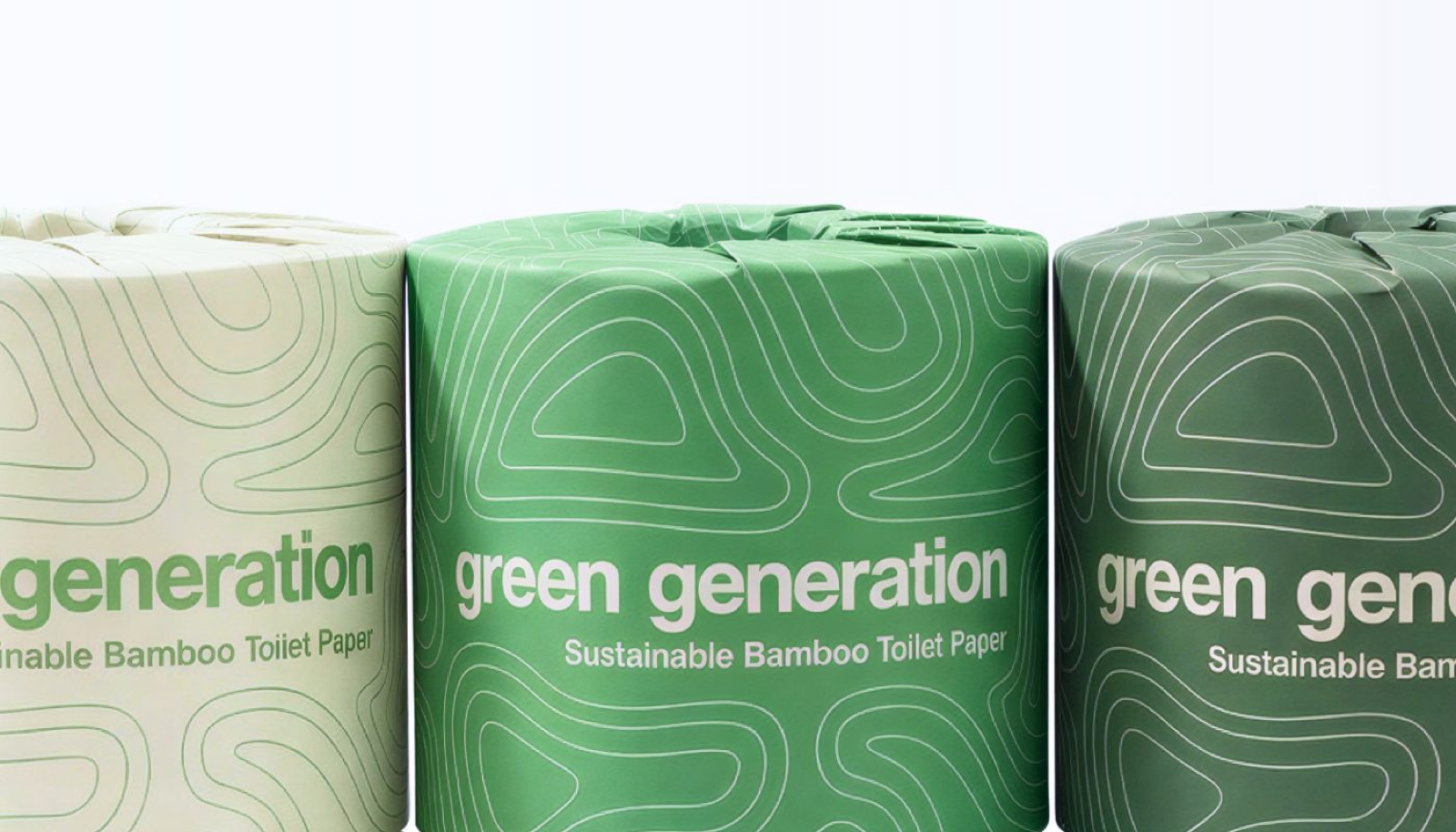
None of this requires you to compromise. The bamboo we use is soft, strong, and 3-ply, it just happens to come from a plant that renews itself in a fraction of the time and asks almost nothing of the land.
Swapping one household staple to bamboo is one of the lowest-effort, highest-impact changes most people can make. You were going to buy it anyway. This version just costs the planet far less.